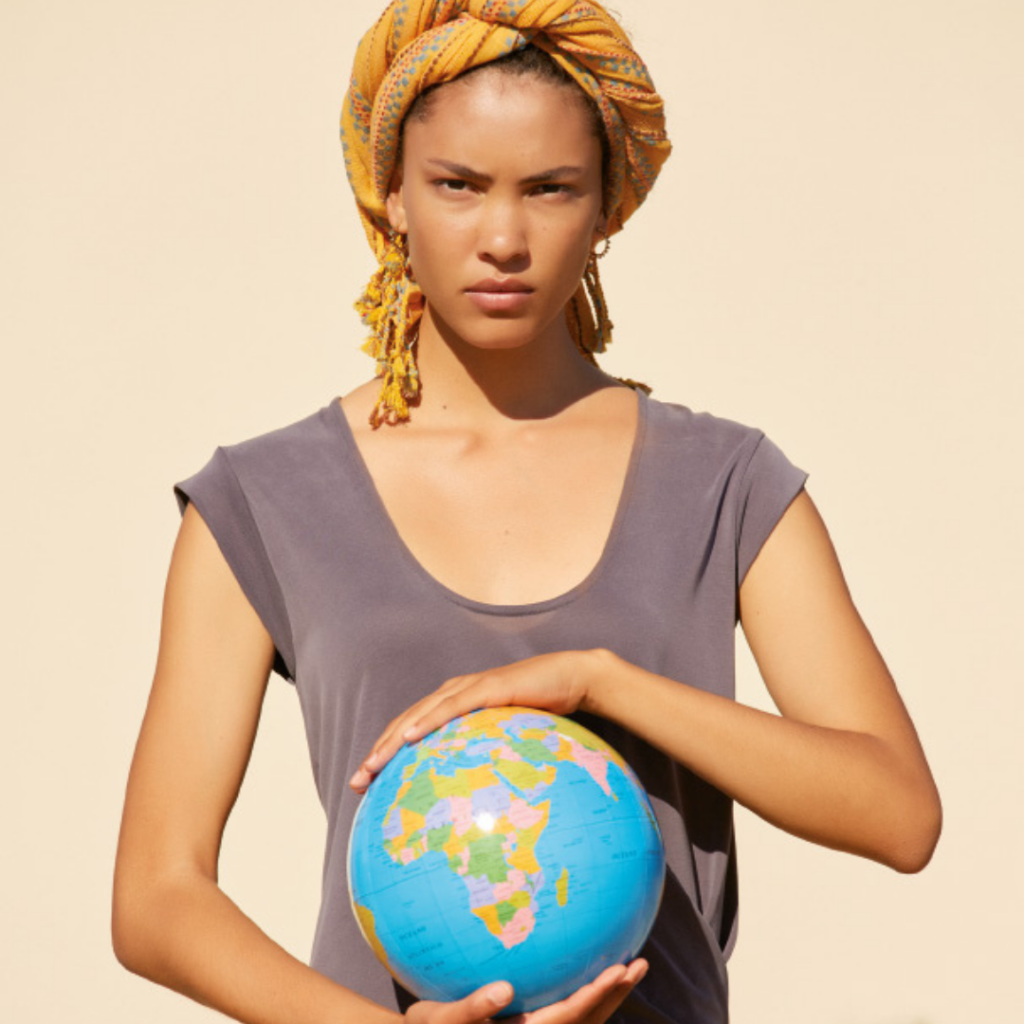
Stick & Ribbon is committed to offering fashion that’s not only effortlessly stylish but also gentle on the planet.
At Stick & Ribbon, sustainability is at the heart of our curation planning. We carefully select collections from brands that champion eco-conscious practices, use responsibly sourced and recycled materials, and prioritise transparency throughout their supply chains.
See our partner brands below and understand why we choose to work with them.
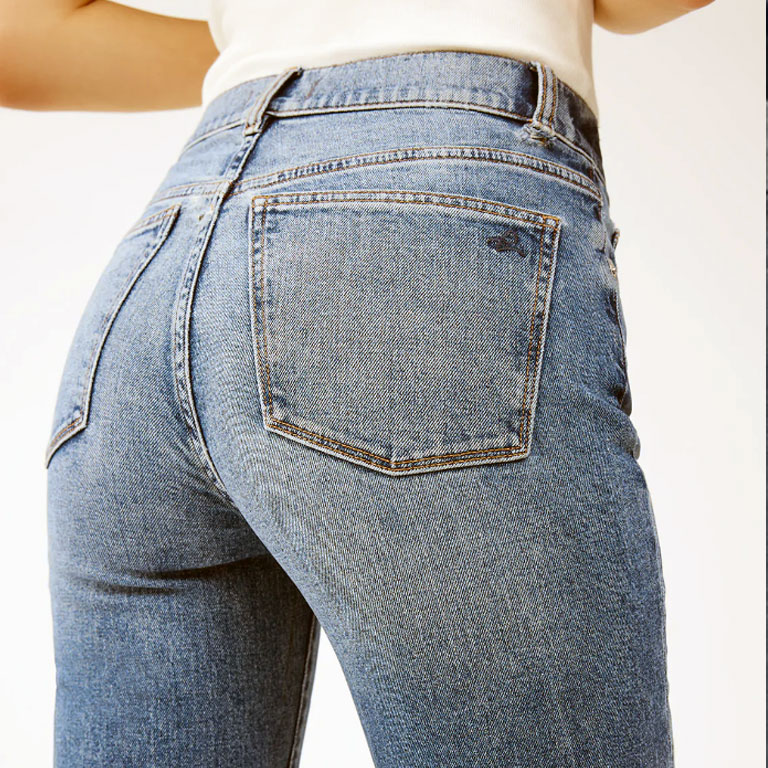
DL1961 is committed to sourcing responsibly, manufacturing sustainably, and designing with intention. Every piece is made at the DL1961 family-owned, vertically integrated factory, giving the brand full control over the production process, from fibre to finished garment. This allows DL1961 to implement traceable, scalable practices that minimise environmental impact while maintaining exceptional quality and fit.
DL1961 prioritise innovation to tackle denim’s environmental challenges. By using recycled and regenerative materials, low-impact dyes, waterless finishing techniques, and ultra-absorbent fibres, the brand significantly reduce resource consumption. While traditional jeans require up to 1,500 gallons of water, the DL1961 range of jeans are made with just 10, without compromising on style or durability.
As signatories of The Climate Pledge, DL1961 on a mission to reach net-zero carbon emissions by 2040 and publish a yearly impact report, ensuring transparency and continuous improvement.
Essentiel Antwerp brings joyful, eclectic fashion to life with bold colours, vibrant prints, and playful proportions, all designed in the heart of Antwerp. While creativity is at the brands core, they also recognise the responsibility that comes with being part of the fashion industry. Essentiel Antwerp’s commitment to sustainability is rooted in continuous progress, not perfection.
Essentiel Antwerp focuses on four key sustainability pillars: better products, a lower environmental footprint, responsible supply chains, and care for people. This means sourcing more sustainable materials, reducing carbon emissions, enforcing strong codes of conduct with their global partners, and supporting diversity, equality, and employee well-being. The brands efforts are guided by the United Nations Sustainable Development Goals, ensuring work contributes meaningfully to people and the planet.
Essentiel Antwerp aims to build a brand that’s as conscientious as it is creative. Sustainability is not just part of its future; it’s woven into every choice they make as the business moves towards a more responsible and inclusive fashion world.
FRNCH, don’t claim perfection, but the brand is committed to progress. Season after season, the FRNCH work to reduce the environmental impact in all their collections, moving steadily toward more responsible fashion. Launched in Autumn 2021, the Change range focuses on eco-conscious materials like organic cotton, wool, ECOVERO® viscose, and Lyocell, offering modern style with a lighter footprint.
FRNCH embrace thoughtful production by keeping quantities low and designing with purpose. Pre-order models help the business avoid overproduction, while leftover fabrics are creatively repurposed into limited-edition accessories that reduce waste and celebrate unique and exclusive prints. Sustainability for FRNCH means smart design, minimal surplus, and circular thinking.
Beyond the garment, FRNCH support reuse and community. Through donations to La Mode Européenne, unsold stock finds new life in solidarity boutiques in Congo and Cape Verde, supporting access to fashion and creating jobs.
KAFFE is taking early steps towards a more sustainable future as part of the larger DK Company group. The brand is beginning to integrate eco-conscious materials, including certified fabrics like ECOVERO® viscose, which is derived from responsibly sourced wood pulp and requires significantly less water than traditional alternatives. These efforts reflect a broader goal to improve both environmental and social impact across all collections.
KAFFE’s alignment with DK Company gives it access to industry resources and sustainability frameworks that will support future sustainability projects and progress. With clear goals, measurable action, and increased transparency, the brand is evolving its sustainability strategy in very meaningful and impactful ways.
POM Amsterdam believe fashion should empower women and protect the planet. That’s why the brand is committed to designing vibrant, joyful clothing that’s as sustainable as it is stylish. POM Amsterdam recognise that clothing production impacts the environment, people, and animals, so are working to minimise that footprint across every part of the production process, from materials to packaging and transport.
The collections increasingly feature eco-friendly fabrics like organic cotton, ECOVERO®, lyocell, and recycled polyester. An animal free stance avoids harmful materials such as fur, Angora wool, and exotic leathers, and favors animal-free alternatives like cupro. POM Amsterdam prioritises certified fabrics (GOTS, GRS, FSC, Oeko-Tex Standard 100) and partner only with responsible factories that meet ethical standards, including BSCI and SEDEX. Quality, fair treatment, and safe working conditions guide every production decision made.
The POM Amsterdam goal is to become CO2 neutral by 2030. To achieve this, the business is reducing emissions through conscious material choices, localised production where possible, and sustainable shipping methods, including the DHL GoGreen programme. Sustainability is a journey, and POM Amsterdam proud to take each step with transparency and care.
Rails weaves sustainability into everything they do, from the clothes created to the partners chosen. Rails are proud to introduce the growing Eco Collection, which features timeless wardrobe staples made with eco-friendly materials like organic cotton, BCI-certified cotton, and ECOVERO® blends. Each season, the brand is expanding this range to offer more consciously made styles that reflect commitment to reducing environmental impact.
Rails produce garments in WRAP-certified factories, ensuring ethical, safe, and inclusive working environments. Beyond the product itself, RAILS HAS eliminated single-use plastics in their packaging, transitioned to recycled materials, and actively reduce waste across the supply chain. From responsible sourcing to thoughtful delivery, Rails are committed to making sustainability part of their fashion experience.
Rails commitment also extends to the communities. The business has partnered with Water.org to provide one year of safe water access for every pair of Rails Denim sold and support the Surfrider Foundation through donations and regular beach cleanups along California’s coast.
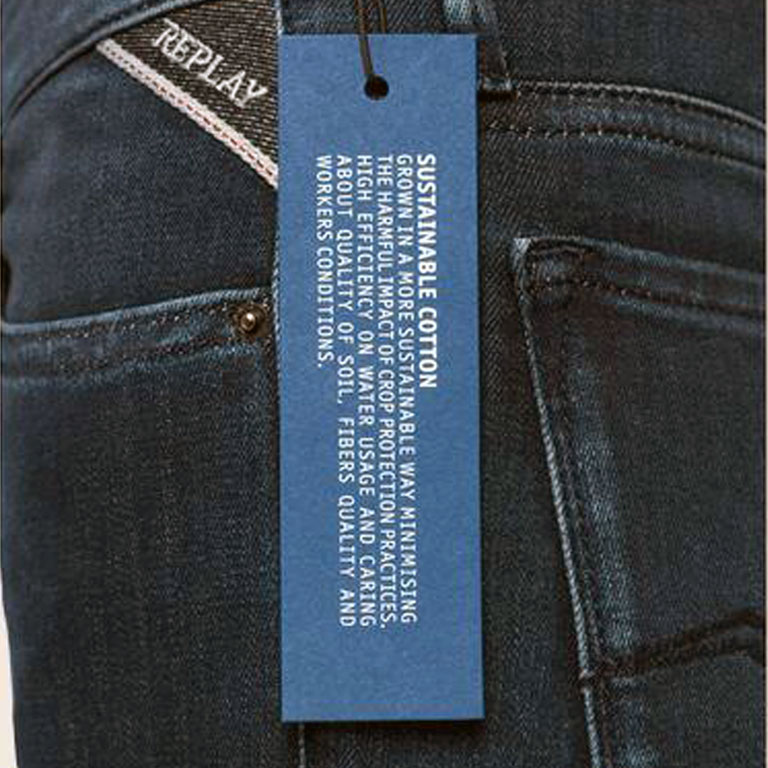
Since 1981, Replay have been crafting high-quality casualwear, especially denim, designed to stand the test of time. Replay jeans are meant to be worn, loved, and lived in, season after season. As the brand has evolved, so has its commitment to the planet, to create fashion that combines timeless design with long-term sustainability.
Replay are actively reducing the brands environmental impact through innovation, conscious materials, and responsible partnerships. From introducing water-saving Laserblast technology to using organic and recycled cotton, recycled polyester, and eco-packaging, Replay are rethinking every stage of production. Today, 72% of Replays mixed-fibre fabrics include recycled components. The business work with WRAP-certified factories and ensure that many suppliers are engaged in environmental and social monitoring through the Higg Index.
Replay is a proud member of the Sustainable Apparel Coalition and is committed to full transparency across of the supply chain. Replay tracks progress through verified assessments like the Higg BRM, FEM, and FSLM to uphold environmental standards and fair labour conditions. With every Hyperflex Re-Used jean or Bio Pack T-shirt, buying Replay means supporting a journey toward more responsible fashion, where durability, design, and sustainability go hand in hand.
Surkana showcases vibrant, colourful collections that are thoughtfully designed with sustainability in mind, incorporating environmentally responsible materials and practices across production. Season after season, the brand deepens its commitment to creating garments that are both expressive and eco-conscious.
Surkana prioritise natural, recycled, and certified fabrics that are gentle on the skin and kind to the environment. From innovative materials like Aloe Modal and ECOVERO™ viscose to sustainable favourites like organic cotton, bamboo viscose, Lyocell, and recycled polyester, every fabric in the collection is chosen for its comfort, durability, and lower impact. Natural capsule, for example, features GOTS-certified organic cotton for a toxin-free, hypoallergenic alternative.
Sustainability also shapes the businesses packaging and logistics. Surkana use FSC-certified recycled paper and cardboard for store bags and shipping boxes, ensuring every step of the journey is responsibly managed. The brand believes that sustainability is an ongoing journey, and are committed to continuous improvement, innovating in materials, reducing waste, and striving to build a truly sustainable brand from the inside out.
Your subscription could not be saved. Please try again.
Your subscription has been successful.
What are you looking for?
Please type the word you want to search and press "enter"